
Singapore compliance guide
Choose the legal route before the job becomes a bigger problem
Most disposal mistakes happen when people leave bulky items in the wrong place or assume one collection method will cover every situation. A clear legal route saves time, complaints, and a lot of last-minute trouble.
Legal disposal in Singapore is really about two things: using an approved disposal option and making sure the job is carried out in a way that does not create trouble for neighbours, building management, or your own schedule.
Many disposal mistakes happen when people think only about where the item will end up, and not about how the item is going to leave the unit in the first place. A damaged mattress, an old sofa, or a broken cabinet can feel like a small problem at first. But if it blocks a corridor, misses a handover date, or gets left in the wrong place, it quickly becomes a bigger one.
If you want to avoid that, start with the right question: what is the proper legal option for this job? In some cases, public bulky-item collection is enough. In others, donation, recycling, retailer take-back, or a professional disposal service in Singapore is the better path.
What this guide covers
01Know when public pickup is enough and when the job already needs proper removal support.
02Avoid the most common corridor, bin-point, and mixed-waste mistakes.
03Match the legal route to the real labour, timing, and access involved.
View Disposal Service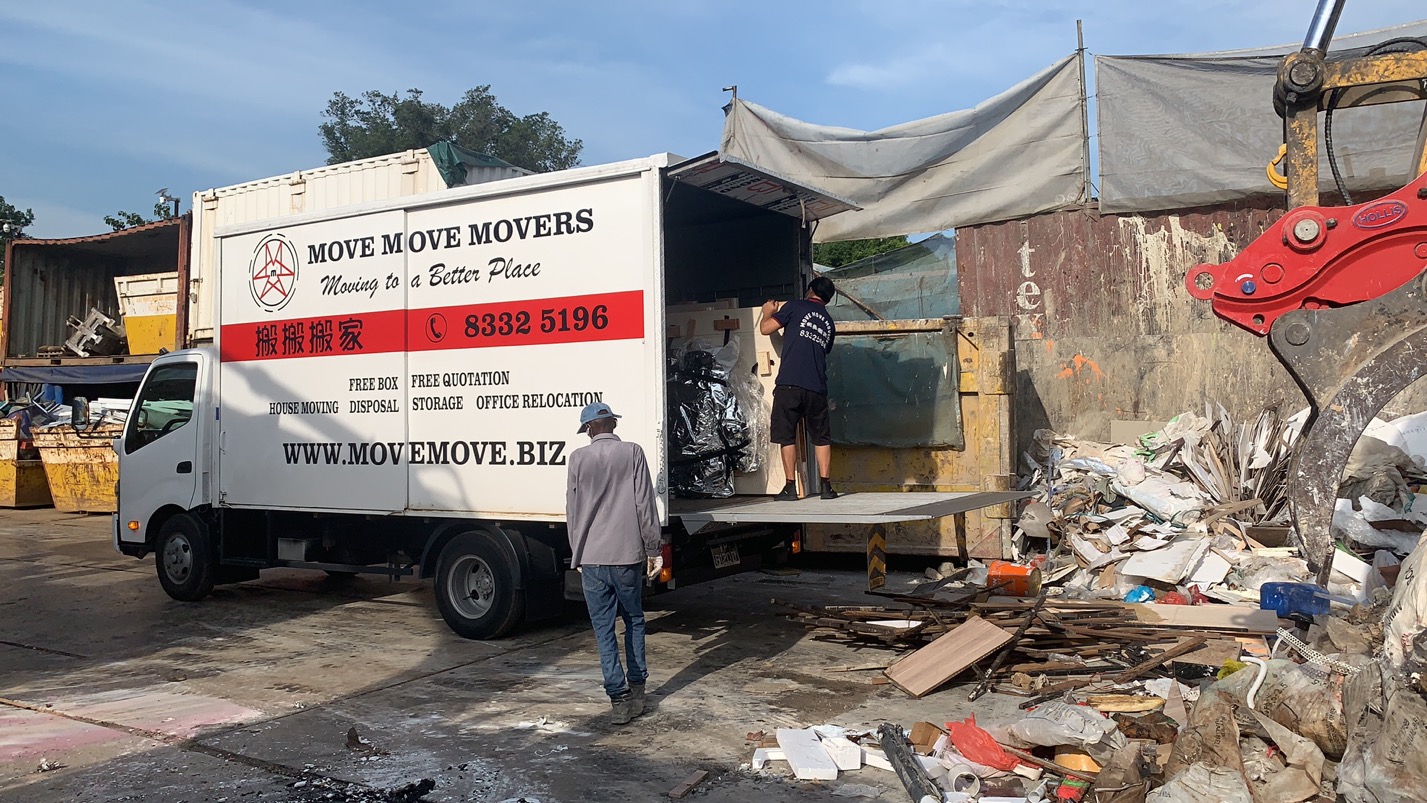
A safer plan usually means
01Knowing where the item can and cannot be left
02Choosing the right collection method early
03Avoiding rushed disposal decisions before handover or complaints
At a glance
Legal routes first
Public collection, donation, specialist recycling, and private removal all have their place. The key is choosing the one that actually fits the job.
At a glance
Real-world risk
Most problems start with items left in common areas, mixed rubbish, or disposal plans made too late for the real workload.
At a glance
Useful next step
When the job is bigger than a simple pickup, the next step should feel practical: get the item cleared safely and on time.
Legal checklist 01
Why legal disposal matters more than people expect
Illegal dumping is not just about someone leaving a large item at the wrong place on purpose. It also includes everyday situations where people assume an item can be left temporarily in a common area, beside a bin point, or outside the unit without proper approval.
That is where problems usually begin:
- neighbours complain because the item blocks part of a corridor
- building management asks for immediate removal
- the item cannot be collected under the route originally planned
- the customer ends up paying twice because the first plan fails
In other words, legal disposal is often about avoiding a chain reaction. A little planning at the start can prevent a rushed and more expensive solution later.
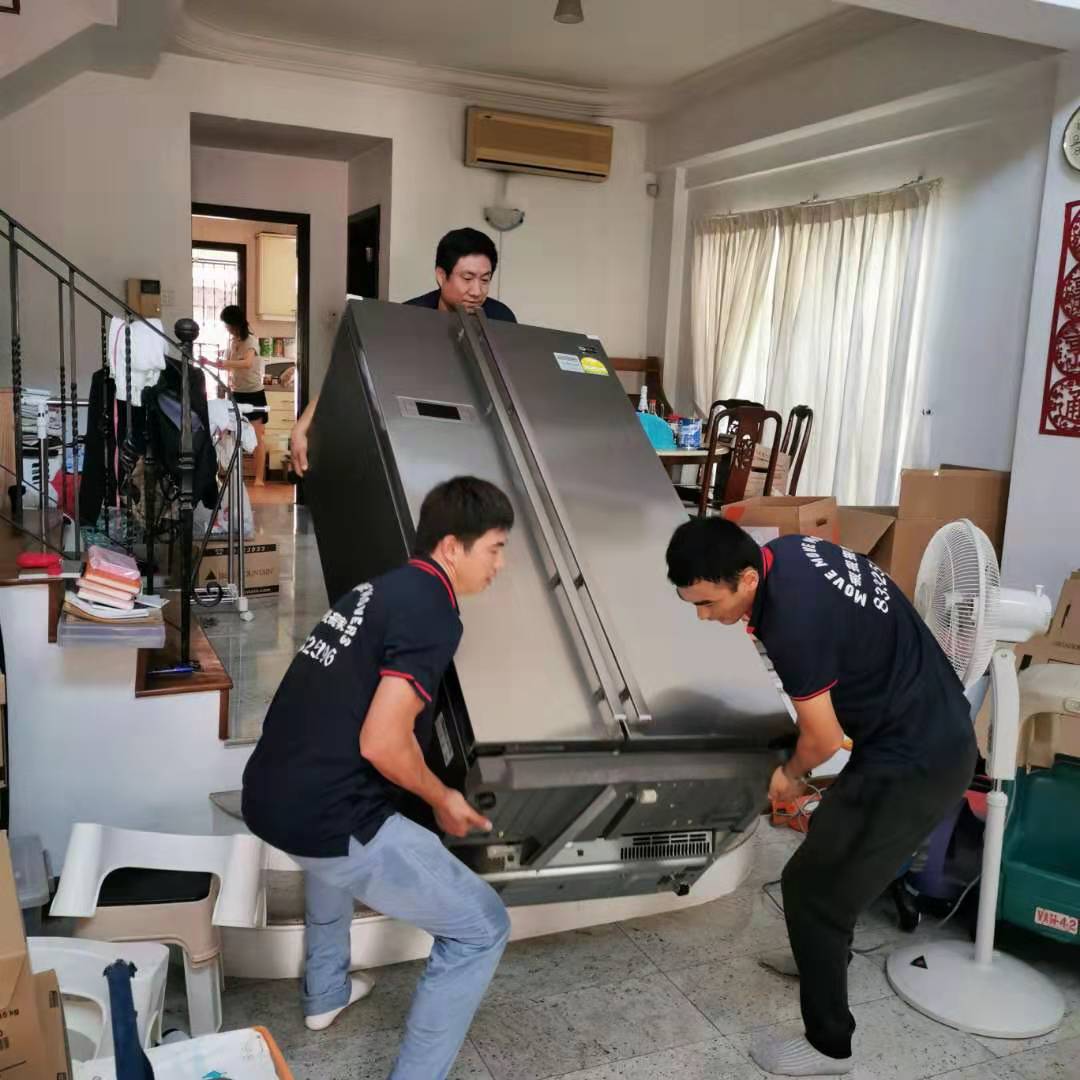
Why this matters
Some item categories need their own legal route
Appliances, electronics, and other special item categories are usually better handled through their proper collection channel, not mixed into general bulky waste by default.
Legal checklist 02
Common disposal mistakes that get people into trouble
Most people do not set out to dump items illegally. They simply underestimate the job.
Common mistakes include:
- leaving furniture beside a common bin area without checking if it is allowed
- placing bulky items in a corridor while “waiting for collection”
- mixing loose rubbish, packing materials, or debris with bulky-item pickup
- assuming one booking covers several unrelated items
- treating office, appliance, and household waste as if they all follow the same rules
Another common problem is timing. If collection is arranged too late, people sometimes start moving items out of the unit before they have confirmed who is collecting, where the items can be staged, and whether the building allows it. That is when a legal disposal plan becomes messy.
If you want to sanity-check the route before moving anything, it is worth reviewing the NEA bulky-item disposal guidance, the NEA illegal dumping page, and the NEA e-waste management guide for appliances and electronics. For HDB residents, HDB's guide to the roles of HDB Branches and Town Councils is also a practical reminder that common-area handling and estate-level coordination still matter.
Why this matters
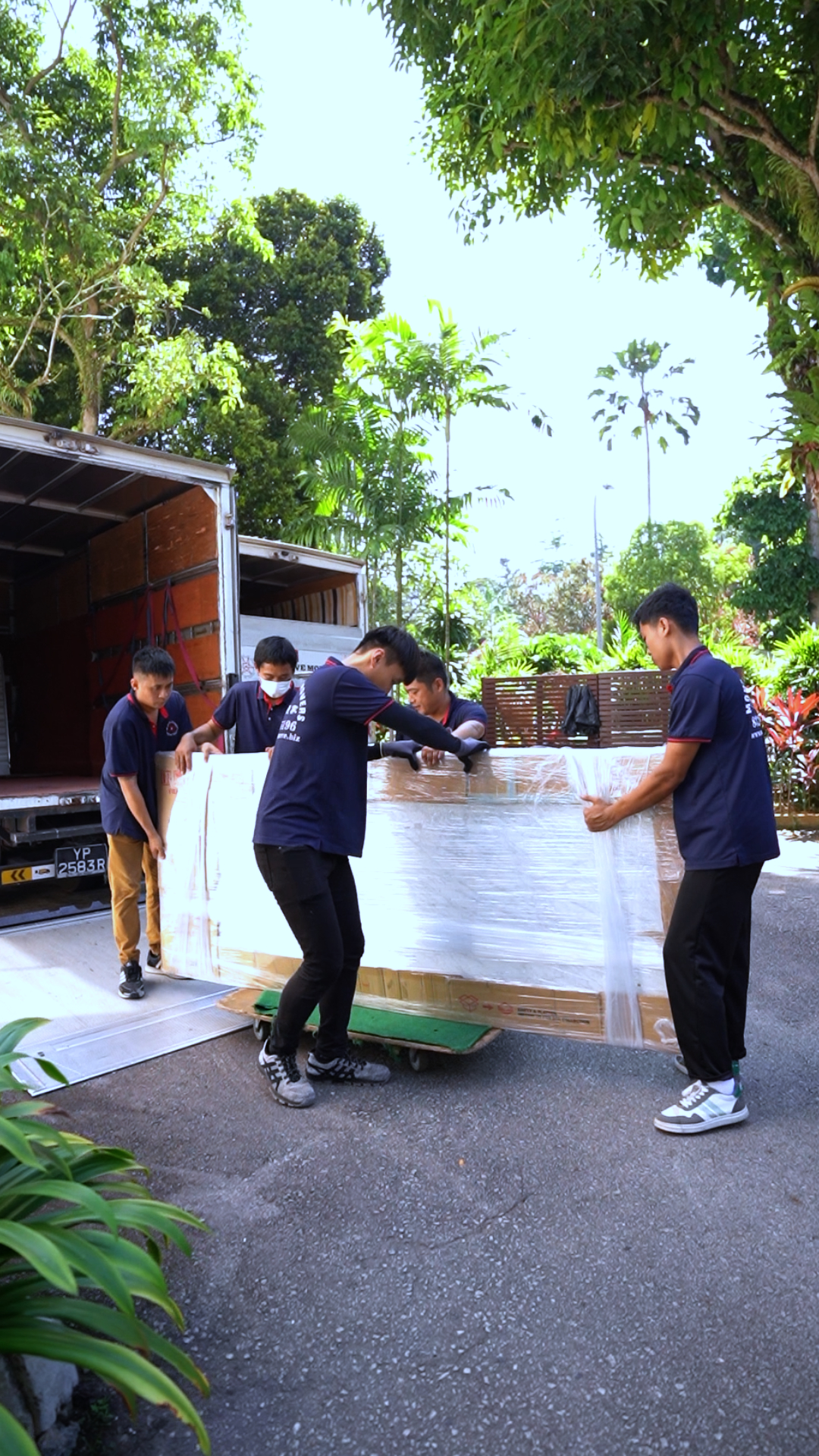
Access and handling often trigger the real headache
The right route is not just about where the item ends up. It is also about whether the item can be moved properly in the first place.
Legal checklist 03
The main legal ways to dispose of bulky items in Singapore
Most bulky disposal jobs fall into one of four practical categories.
1. Public bulky-item collection
This is usually the first option for a simple residential case. It can work well if the item count is low, the estate accepts the item, and your timeline is flexible enough for booking and collection.
2. Donation, reuse, or resale
If the item is clean, usable, and still in reasonable condition, it may be better to pass it on rather than treat it as waste. This option works best when you have time to coordinate and the item has genuine second-hand value.
3. Proper disposal channels for special item categories
Some items should not be treated as general bulky waste. Appliances, electronics, and certain mixed items may need a different route. If you are unsure, do not assume they can simply be left with household bulky items.
4. Private disposal or removal support
This is often the right option when the job involves several items, heavy lifting, inside-unit collection, awkward access, or a stricter deadline. In those cases, a bulky-item removal service gives you one team to handle the actual work instead of relying on a route designed only for straightforward collection.
Why this matters
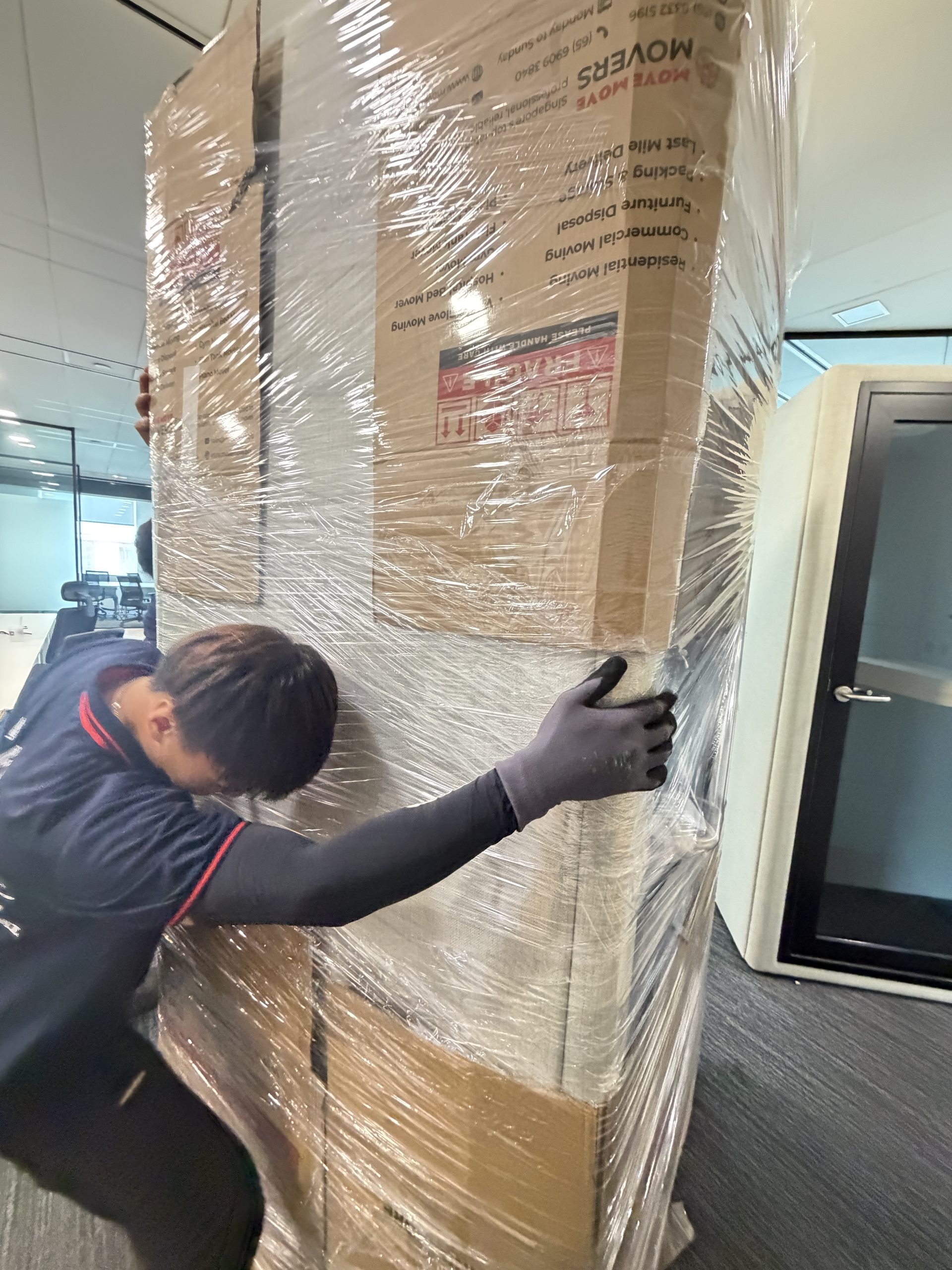
Commercial or mixed-use jobs need cleaner scope
If the job touches loading windows, mixed item types, or management rules, it is worth planning the disposal properly instead of treating it like a casual throwaway task.
Legal checklist 04
When professional disposal help is the safer choice
Professional help usually makes sense when the real difficulty is not just disposal, but coordination.
Examples include:
- clearing several pieces of furniture from one home
- removing items from bedrooms or upper floors
- condo jobs with lift, loading bay, or management restrictions
- landed-property disposal with long carry distance
- mixed-use or office disposal with a tighter schedule
- handover, renovation, or move-related disposal where timing matters
In these situations, customers are usually paying for clarity as much as collection. You want to know who is removing the items, whether the team can handle access properly, and whether the whole job can be completed in one go.
Legal checklist 05
How to prepare a bulky disposal job the right way
Even if you are using a legal and approved route, a little preparation makes the process smoother.
Try to do these things before collection day:
- separate reusable items from real waste
- check whether any item needs dismantling
- take photos if the item is large or access looks tight
- confirm where the item is allowed to wait before collection
- avoid mixing furniture with loose trash, broken packing, or renovation debris
If the disposal is tied to a move-out, renovation, or contractor timeline, sort it out earlier than you think you need to. Disposal gets harder when it becomes the last unfinished task.
Legal checklist 06
A practical checklist before you book anything
Before choosing your disposal option, ask yourself:
- Is this a one-item collection, or does it already feel like a larger clearance?
- Is the item still usable enough for donation or resale?
- Does the item type need a different disposal route?
- Can the item be moved out of the unit easily and legally?
- Is public collection timing realistic for my deadline?
- Would it be simpler to use one provider to clear the whole job properly?
If your answers point to urgency, access difficulty, or multiple items, it is usually better to review a broader disposal service in Singapore before the job becomes last-minute.
Legal checklist 07
A better next step if the legal route already looks too narrow
If you are dealing with mixed loads, heavier furniture, or a collection date that cannot slip, take a look at our disposal service in Singapore. If the job is mainly bulky furniture and household clearance, you can also go straight to our bulky-item removal service for a more specific solution.
Safe route planning
Need help clearing bulky items safely and properly?
If the job includes several items, heavier furniture, or building access issues, we can help you choose a disposal option that is practical, legal, and easier to complete on time.
View Disposal ServiceSend these details for a safer route call
01Which items are involved, especially appliances or mixed waste
02Whether the items are still inside the unit or already staged outside
03Any urgency around complaints, handover timing, or building rules
Use the service page next when the job needs clearer manpower planning, more reliable collection timing, or a route that can handle awkward access cleanly.
PrevPreviousSupporting Healthcare: Partnering with Medpro Medical Supplies to Deliver Hospital Beds Across Singapore NextInternational Student Moving Guide in SingaporeNext
No Cheque Book for Your Condo Move? How to Pay an MCST Moving Deposit in Singapore
06/25/2026 Read More »
Top 10 Best Moving Companies in Singapore (2026 Newest Edition): An Authoritative Ranking & In-Depth Analysis Based on Massive Google Reviews
06/17/2026 Read More »